
Asset World Corp preparing largest real estate fund in its history
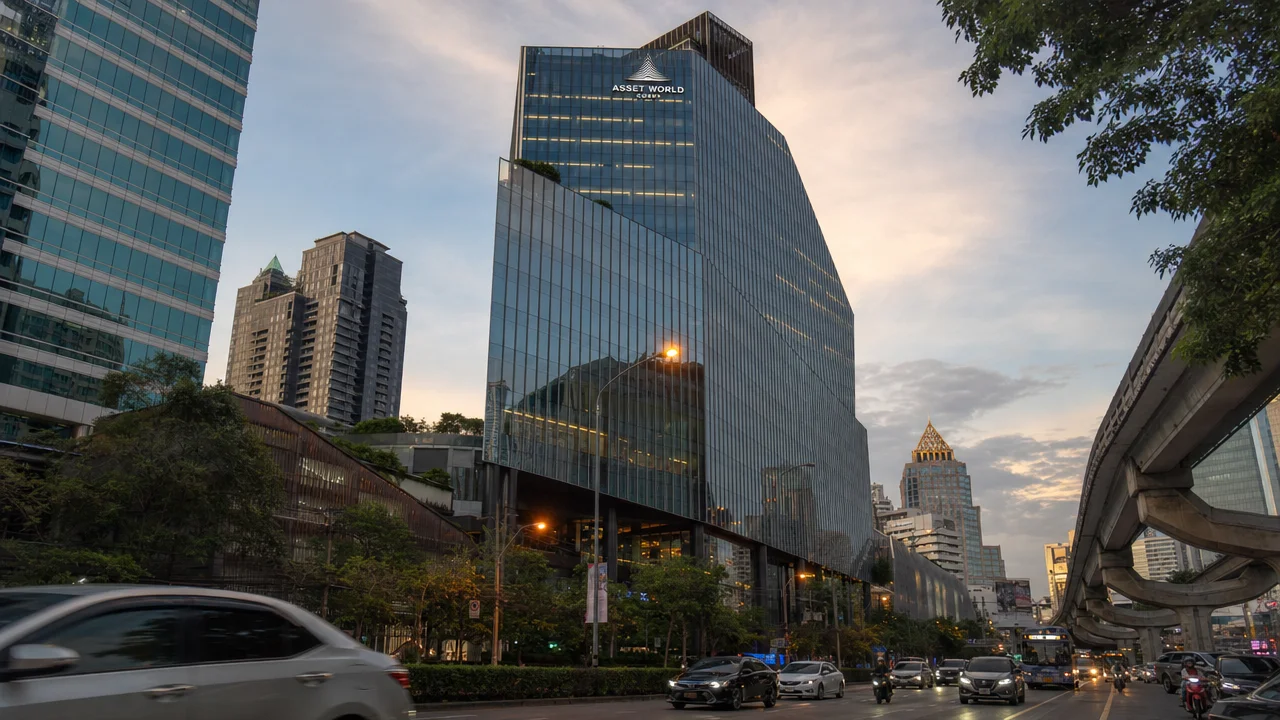
Thai developer Asset World Corp (AWC) has announced plans to create a Real Estate Investment Trust (REIT) worth approximately 50 billion baht with a listing on the Stock Exchange of Thailand in 2026. The company intends to use the raised capital to finance new projects and expand its commercial real estate portfolio. This decision will allow AWC to free up funds from existing assets without selling key properties and maintain control over strategic sites in central Bangkok and other locations.
Deal structure and asset selection
AWC's REIT will become one of the largest real estate funds on the Thai market by capitalization. The structure will include commercial and hotel assets already generating stable income. The company is considering including shopping centers, Class A office buildings, and hotels managed by international operators.
Real estate funds in Thailand are required to distribute at least 90% of net profit to investors as dividends. This makes REITs an attractive instrument for those seeking regular income from commercial real estate without direct property ownership. AWC plans to retain asset management through subsidiary structures, receiving management and service fees.
Asset selection for the REIT is determined by several criteria: stable occupancy of at least 85%, tenant contracts for three years or more, location in central Bangkok districts or tourist zones. The company is not disclosing the full list of properties until the valuation is complete, but analysts expect the inclusion of flagship shopping centers and hotels in the Silom and Sukhumvit areas.
Why a developer would place assets in a REIT
Creating a real estate fund solves several tasks simultaneously. AWC gains access to capital without increasing debt burden. The company will be able to direct funds toward launching new residential and commercial projects without waiting for full payback on existing properties.
The second reason is balance sheet optimization. Transferring income-generating assets to a REIT allows the developer to reduce the share of real estate on its balance sheet and improve financial metrics. REIT investors receive rights to cash flows from rent and operations, while AWC retains operational control and commission income.
The third factor is diversification of financing sources. Instead of bank loans or bonds, the company attracts funds through the public market, expanding its investor base. REITs trade on the exchange, which provides liquidity for unit holders and transparency in asset valuation.
REIT market in Thailand: current situation
The Stock Exchange of Thailand lists over 70 real estate funds with a total capitalization of approximately 800 billion baht. The largest REITs own office towers, logistics complexes, shopping centers, and hotels. The average dividend yield for the sector is 5.5-7% annually, which is higher than deposit rates and comparable to corporate bond yields.
After the pandemic, demand for commercial real estate is recovering unevenly. Office buildings in central Bangkok show 80-85% occupancy, shopping centers have returned to pre-pandemic traffic levels, and the hotel sector has reached 70% occupancy. Investors prefer funds with diversified portfolios where risks in one segment are offset by stability in others.
The regulator - the Securities and Exchange Commission of Thailand (SEC) - has tightened requirements for information disclosure and asset valuation after several cases of property overvaluation in 2022-2023. Independent appraisers are now required to review the value of real estate in REITs annually, and management companies publish quarterly reports on occupancy and income.
What AWC plans to finance through the REIT
The company is not disclosing details of new projects until the official announcement, but investor presentations mention expansion of the residential real estate portfolio in Bangkok and development of mixed-use complexes on the Eastern Seaboard. AWC owns land plots in the Phra Khanong, Thonburi, and Phra Khanong areas where construction of 30-50 story condominiums is possible.
The second direction is modernization of existing shopping centers. Several AWC properties require concept updates and attraction of new tenants. Funds from the REIT will allow renovations without diverting operational capital.
The third spending category is possible acquisitions. Bangkok's commercial real estate market is fragmented, and AWC is considering purchasing small shopping centers or office buildings from developers facing liquidity shortages. Such deals allow rapid growth of the income-generating asset portfolio.
Risks for REIT investors
Real estate funds depend on stable rental rates and property occupancy. If a major tenant breaks a contract or the office market enters an oversupply phase, REIT income falls, along with dividends. Investors should study the tenant structure: high concentration on one client increases risk.
The second factor is interest rates. When the Bank of Thailand raises rates, alternative instruments (deposits, bonds) become more attractive, and REIT quotes decline. In 2023, after a cycle of rate increases, the real estate fund index lost approximately 12%.
The third risk is management quality. AWC will retain operational control over assets in the REIT, but conflicts of interest are possible: the management company may inflate fees or direct profitable contracts to affiliated structures. The regulator requires disclosure of all related transactions, but monitoring remains on the investors' side.
Listing timeline and next steps
AWC plans to complete fund structuring and receive SEC approval by the end of 2025. Public placement of units is expected in the first half of 2026. The company will conduct a roadshow for institutional investors, presenting the financial model and dividend forecast.
After listing, AWC is obliged to publish quarterly reports on REIT income, property occupancy, and major tenants. An independent trustee board will monitor compliance with unit holders' interests and approve real estate transactions.
Investors will be able to buy units through any broker operating on the Stock Exchange of Thailand. The minimum lot is usually 100 units, the price per unit is determined by placement results. Dividends are paid quarterly or semi-annually depending on fund policy.
What this means for buyers in Pattaya
Creating a 50 billion baht REIT frees up capital for AWC for new projects, some of which may appear on the Eastern Seaboard. The company already owns plots in Chonburi and is considering launching mixed-use complexes with residential and commercial real estate. If AWC enters the Pattaya market with a major project, this will intensify competition among developers and may affect pricing.
For Russian investors, REITs are an alternative way to participate in the Thai real estate market without directly purchasing an apartment or villa. Fund units generate dividends in baht, trade on the exchange, and do not require property management. The dividend tax for non-residents is 15% (withheld at source), capital gains on unit sales are not taxed if the investor does not conduct business in Thailand.
However, purchasing REIT units requires opening a brokerage account with a Thai bank or an international broker with access to SET. The account opening procedure for a foreigner includes providing a passport, proof of address, and completing a questionnaire about financial experience. Some banks require a minimum deposit of 100,000 baht.
The impact on Pattaya's residential real estate market will be indirect. If AWC launches new condominiums in Chonburi, buyers will have more choice in the mid-range and premium segments. The company is known for projects with strong infrastructure and long-term management contracts, which increases apartment liquidity on the secondary market.
Conclusions
AWC's plan to issue a 50 billion baht REIT reflects the strategy of major developers: monetize existing assets and direct capital toward growth. The 2026 listing will give the company access to the public market and expand its investor base. For REIT unit holders, it will become a source of regular income tied to Bangkok commercial real estate.
Risks include dependence on rental rates, Bank of Thailand interest rates, and asset management quality. Investors should study the fund's portfolio structure, tenant diversification, and dividend payment history of AWC's other REITs.
For real estate buyers in Pattaya, the deal is interesting for the possible appearance of new AWC projects on the Eastern Seaboard and an alternative way of investing in the Thai market through exchange instruments.