Why Thais and Expats Choose Renting Over Buying Property
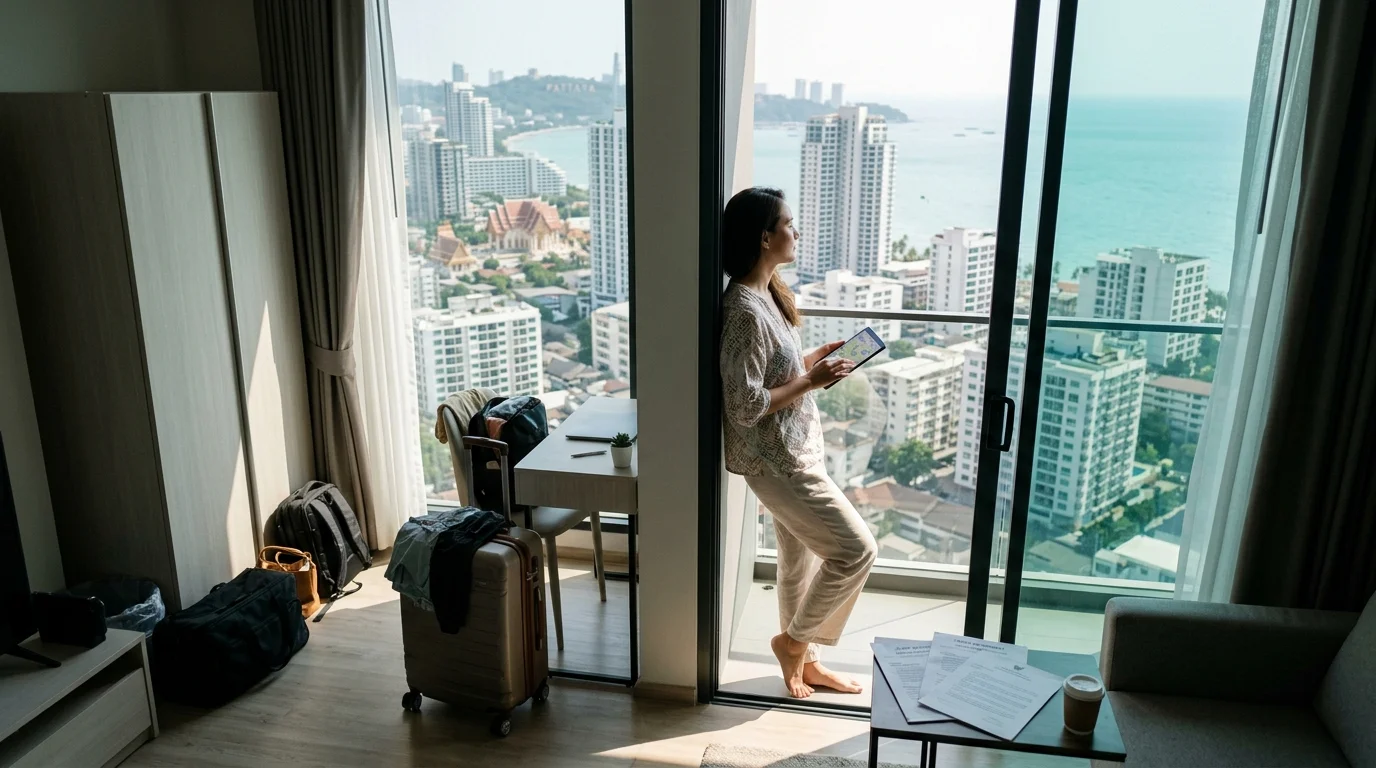
Thailand is experiencing a structural shift in the housing market. Young Thais and foreign residents are increasingly abandoning property purchases in favor of long-term rentals. According to PropertyGuru portal data for the first quarter of 2026, demand for home purchases across the country decreased by 6%, while interest in rentals grew by 4%. In Bangkok, rental demand growth reached 9%.
The reason is not a lack of housing need. The problem is affordability. The average monthly income of a young professional aged 21-30 is 10,000-25,000 baht, while average monthly expenses nationwide amount to 22,282 baht. Townhouse prices increased by 4.88% over the year according to second quarter 2025 data. Most of the salary goes to current expenses and loan payments, making it increasingly difficult to save for a down payment.
For Generation Z, renting has ceased to be a temporary solution. Flexibility when changing jobs, absence of multi-year mortgage obligations, and the ability to invest freed-up funds make renting a conscious choice rather than a forced measure.
How Housing Demand Structure is Changing in Thailand
Demand for detached house purchases decreased by 17%, for townhouses - by 16%. Buyers are shifting toward more affordable options: interest in condominiums grew by 4%. The most sought-after price segment is 1 to 3 million baht, accounting for 44% of total demand.
The rental market is growing not only due to youth. Expats working in the Eastern Economic Corridor (EEC) industrial zones prefer to rent housing for 6-12 months. Specialists from international companies opening production facilities in Chonburi are not ready to buy property in a country with land ownership restrictions for foreigners.
Demand for budget rentals is growing fastest. The number of inquiries for housing costing less than 10,000 baht per month increased by 11%. Renters are looking for studios and one-bedroom apartments within walking distance of BTS and MRT stations in Bangkok, and in Pattaya - in Jomtien and Na Jomtien areas.
Pattaya: From Tourist Rentals to Long-Term Contracts
The rental market in Pattaya has historically depended on short-term tourist flows. Condominium owners rented out apartments through Airbnb and Booking.com, earning income during the high season from November to March. Low season meant vacancy and occupancy dropping to 30-40%.
The situation is changing. Development of industrial zones in Chonburi attracts specialists who need long-term housing. Developers in the Amata Industrial City area initially planned to sell 3,000 townhouses at 2 million baht per unit. After falling sales, the project switched to a rental model at 4,500 baht per month. Result - 100% occupancy.
Long-term rental reduces dependence on seasonal fluctuations and makes income more predictable. Property owners in Pattaya are beginning to combine strategies: renting apartments to tourists during high season and switching to contracts from 3 months during low season.
How the Growth of the Renter Generation Affects Short-Term Rental Profitability
The increase in long-term renters creates competition for the same properties. Condominium owners in Pattaya face a choice: rent to tourists at 1,500-2,500 baht per night with risk of vacancy or sign a 6-12 month contract at 15,000-25,000 baht per month.
Short-term rental still brings higher income in absolute figures with occupancy above 60%. A 28 m² studio in Pratumnak area at an average rate of 2,000 baht per night and occupancy of 18 nights per month generates 36,000 baht in gross income. Long-term rental of the same studio will bring 18,000-22,000 baht per month.
But the short-term model requires active management: cleaning after each guest, communication in multiple languages, booking management, platform commissions of 15-18%. Long-term rental reduces operating costs and frees up the owner's time.
The growth in the number of renters increases competition in the long-term rental segment. Owners of old condominiums without renovation and infrastructure lose tenants to new projects with pools, fitness centers, and coworking spaces.
Which Pattaya Areas Benefit from the Rental Trend
Jomtien attracts families and long-term renters. A calm atmosphere, beach, and developed infrastructure make the area popular among expats working in industrial zones. Demand for studios and one-bedroom apartments in new projects by the sea is consistently high.
Pratumnak remains a premium area with limited supply. European buyers and renters choose intimate complexes with sea views. Long-term rental here starts from 25,000 baht per month for a studio and from 40,000 baht for a two-bedroom apartment.
Central Pattaya maintains focus on short-term tourist rentals. High competition among old stock pressures rates, but proximity to entertainment and shopping centers supports demand. Compact studios in new projects rent to tourists at 1,800-2,500 baht per night.
Na Jomtien is gaining popularity among investors. Lower entry prices, new projects, and calm atmosphere attract long-term renters. Infrastructure development makes the area promising for those focused on long-term rental.
East Pattaya depends on domestic Thai demand. Thai families rent townhouses and small houses long-term. Dependence on tourism is minimal, making income more stable.
Strategies for Property Owners in 2026
A combined rental model is becoming optimal. Owners rent apartments to tourists from November to March, earning maximum income during high season. From April to October they switch to long-term contracts of 3-6 months, ensuring stable flow without vacancy.
Improving property infrastructure increases competitiveness. New condominiums with pools, fitness centers, coworking spaces, and barbecue areas attract long-term renters. Old projects without infrastructure lose in the competition for tenants.
Flexible pricing helps maintain occupancy. Owners reduce rates in low season by 20-30% to attract long-term renters instead of vacancy. Short-term rental in high season compensates for rate reductions.
Management automation reduces operating costs. Using automatic check-in systems, electronic locks, and booking management applications frees up the owner's time and reduces personnel costs.
Risks for Short-Term Rental Investors
Excess secondary stock creates high competition. Pattaya is oversaturated with old condominiums built 10-15 years ago. Owners of such properties are forced to reduce rates or switch to long-term rental.
Dependence on tourist flows remains high in central areas. Geopolitical events, economic crises, and changes in visa policy affect tourist flow and property occupancy.
Regulatory risks are growing. Thai authorities are discussing tightening short-term rental rules, including licensing and taxation. Owners working through Airbnb without registration may face fines.
Rising operating costs reduce net profitability. Platform commissions, cleaning, utilities, maintenance, and repairs consume up to 40-50% of gross income from short-term rental.
Pattaya Rental Market Forecast for 2026-2027
Long-term rental will continue to grow due to EEC industrial zone development and specialist influx. Demand for studios and one-bedroom apartments in Jomtien, Na Jomtien, and East Pattaya areas will remain high.
Short-term rental will maintain positions in central areas and premium projects by the sea. Owners of quality properties with strong management will continue to earn high income during season.
Competition in the old stock segment will intensify. Owners of outdated condominiums without infrastructure will be forced to reduce rates or invest in renovation.
Developers will adapt products to new demand. Projects with infrastructure for long-term living, coworking spaces, and pet-friendly areas will grow in price faster than the market.
What This Means for Buyers in Pattaya
Property buyers for investment should consider the growth of the renter generation when choosing a property. Studios and one-bedroom apartments in new projects with infrastructure will generate stable income from both short-term and long-term rental.
Jomtien and Na Jomtien areas are becoming priorities for investors focused on long-term rental. Proximity to industrial zones, calm atmosphere, and developed infrastructure attract expats and Thai specialists.
Buying in old projects without infrastructure carries high risk. Competition from new complexes will pressure rental rates and reduce occupancy. Investments in renovation and property improvement will become mandatory to maintain competitiveness.
A combined rental strategy requires active management or hiring a professional company. Owners willing to flexibly switch between short-term and long-term models will achieve maximum profitability with minimal vacancy.
Buyers for personal residence benefit from the growing rental market. The ability to rent out the apartment during absences offsets maintenance costs and makes property ownership in Pattaya more affordable.
Conclusions
The growth of the renter generation in Thailand is changing the structure of the real estate market. Young Thais and expats choose rental flexibility over multi-year mortgage obligations. Pattaya is transitioning from a model dependent on tourist flows to a more balanced market with a growing long-term rental segment.
Property owners adapting strategies to new demand will maintain profitability. Combining short-term and long-term rental, investing in infrastructure, and flexible pricing will become key success factors.
Buyers choosing properties in promising areas considering long-term demand growth will receive stable income and protection from seasonal fluctuations. Pattaya's real estate market in 2026 requires deeper analysis and a professional approach than ever before.