Bangkok Old Condominium Tragedy Exposes Systemic Structural Risks
In early 2026, a balcony collapse occurred in one of Bangkok's older condominiums, resulting in two deaths and serious injuries to three others. The incident happened in a building constructed in the late 1990s, where a seventh-floor apartment owner was conducting private renovations without approval from the condominium's juristic person. Preliminary engineering findings indicated rebar corrosion, insufficient waterproofing, and exceeding the permissible load on the cantilever structure. This case has prompted thousands of owners and tenants to question the safety of buildings constructed 20-30 years ago and what inspections are needed before signing a contract.
The problem extends beyond Bangkok. According to the Department of Public Works and Town Planning of Thailand, approximately 38% of residential condominiums in major cities were built before 2000. Many have not undergone major technical audits since completion. Buyers and tenants often focus on the apartment's appearance and price, ignoring the condition of structural elements, engineering systems, and building management culture. Yet these factors determine living safety and future maintenance costs.
Why Old Condominiums Are at Risk
Buildings constructed in the 1990s-2000s were built to standards that did not account for modern requirements for seismic resistance, waterproofing, and rebar protection in tropical climates. Bangkok receives approximately 1,500 mm of rainfall annually, Phuket-over 2,200 mm. High humidity accelerates corrosion of metal elements inside concrete. If the concrete cover layer is thinner than 25 mm or waterproofing is compromised, rebar begins to rust within 10-15 years of operation.
Balconies are cantilever structures. They are supported by a rebar framework embedded in the wall. Any weakening of this framework reduces load-bearing capacity. The problem worsens when apartment owners add heavy tiles to the balcony, install massive furniture, place large pots with soil, or mount additional structures without load calculations. A cantilever designed for 200 kg/m² may fail under 400 kg/m².
Another factor is original construction quality. In the 1990s, Thailand experienced a construction boom following the 1997 Asian financial crisis. Some projects were implemented hastily, with savings on materials and quality control. Concrete grade C25/30, now considered the minimum for residential buildings in the tropics, was not always used. Cases of C20/25 concrete application occurred, reducing structural strength by 20-25%.
What to Check Before Making a Deposit
Purchasing or renting an apartment in an old condominium requires two-level verification: technical inspection of the apartment itself and analysis of building management. Technical inspection reveals hidden defects not visible during regular viewing. Management analysis shows how prepared the building is for major repairs and how quickly administration responds to problems.
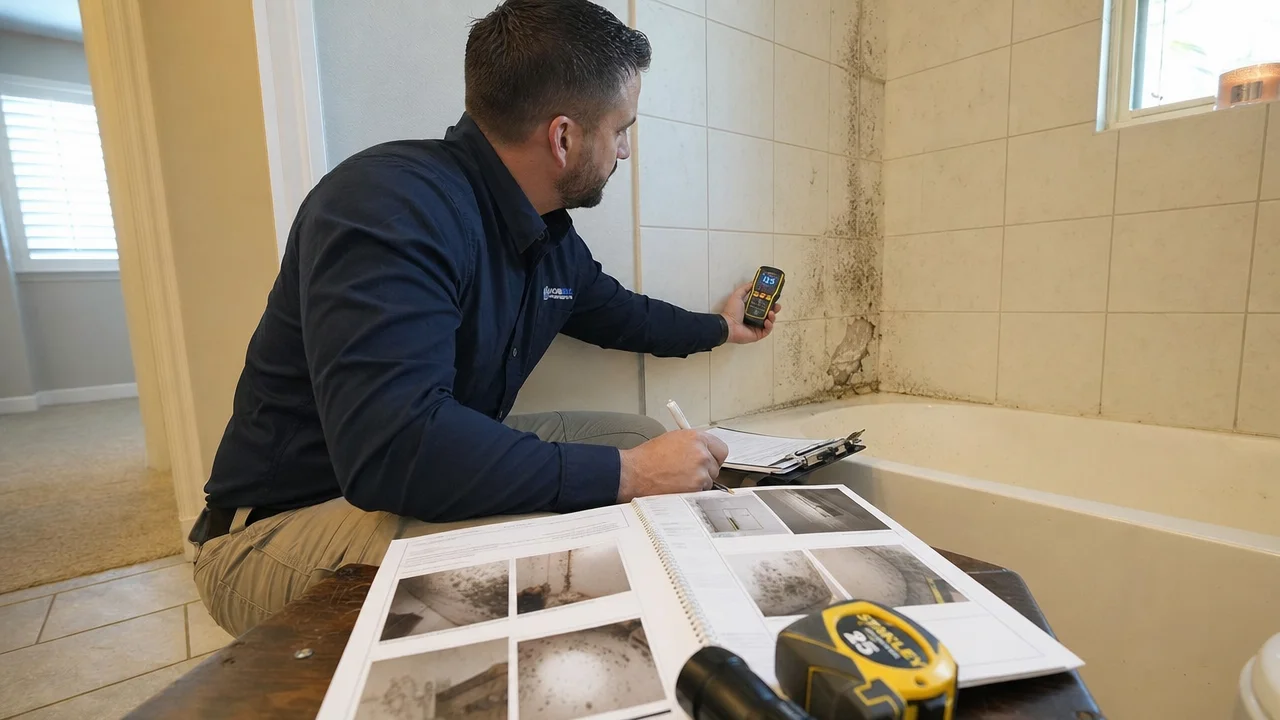
Independent technical inspection costs from 15,000 to 45,000 baht depending on apartment size and inspection scope. Companies like Bangkok Inspect conduct inspections covering over 200 points and issue reports in English with photographs, videos, and recommendations. The report includes assessment of structural elements, engineering systems, waterproofing, electrical wiring, and finishes. The inspector uses a moisture meter, thermal camera, level, manometer, and other instruments for objective evaluation.
Main technical inspection points for apartments:
Structural Elements
Check walls, ceilings, and floors for cracks. Cracks wider than 0.3 mm may indicate problems with the foundation or building frame. Horizontal cracks in load-bearing walls are more dangerous than vertical ones. Diagonal cracks in corner openings often relate to building settlement. The inspector should measure crack width and assess their dynamics.
Balconies require special attention. Inspect the underside of the balcony slab from the street side or adjacent balcony. Look for concrete delamination, rust stains, exposed rebar. Check balcony railing attachment-it should be rigidly fixed to the slab without play. Ask the inspector to measure slab deflection under load. Acceptable deflection for a 1.5-meter balcony is no more than 4-5 mm.
Waterproofing and Moisture
Waterproofing is a weak point in most old buildings in Thailand. Use a moisture meter to check walls and floors in the bathroom, kitchen, near windows, and on the balcony. Normal concrete moisture level is 4-6%. Readings above 8% indicate waterproofing problems or leaks. Look for ceiling stains, wall streaks, musty smell, peeling paint or wallpaper, swollen woodwork.
Pay special attention to wall-floor joints, bathroom corners, areas around plumbing. Ask the inspector to check moisture behind furniture and under tiles using non-destructive methods. Check air conditioner drainage-water stagnation in the drainage system leads to mold formation inside the unit and spore spread throughout the apartment.
Engineering Systems
Electrical wiring in old buildings often does not meet modern PEA (Provincial Electricity Authority) standards. Check for grounding, distribution panel condition, circuit breaker operation. Ask the inspector to measure voltage in outlets and check wire insulation resistance. Aluminum wiring used in the 1990s requires replacement-it oxidizes and creates fire risk.
Water supply is checked under load. Open several taps and shower simultaneously. Water pressure should remain stable. Weak pressure may indicate problems with building pump station or pipe blockages. Check water drainage in bathtub, sink, shower. Slow drainage indicates clogs or incorrect sewage pipe slope.
Finishes and Hidden Defects
Finishes often conceal serious problems. Fresh paint, new tiles, or laminate may mask cracks, leaks, mold. Ask the inspector to check wall and floor evenness-deviation exceeding 3 mm per 2 meters is considered a defect. Check tile laying quality: tap it with a rubber hammer; a dull sound indicates voids under the tile.
Inspect windows and doors. Check seal tightness, smooth leaf movement, absence of hinge play. Windows should close tightly without gaps. Check glass for scratches and chips. If old-style aluminum frames without thermal insulation are installed, condensation will form on them when air conditioning operates.
Condominium Management Verification
The apartment's technical condition is only half the picture. Building management quality determines whether existing problems will be eliminated and new ones prevented. The condominium's juristic person is responsible for common area maintenance, major repairs, reserve fund, and house rules compliance.
Financial Documents
Request the following documents from administration or seller:
- Current condominium budget with expense breakdown
- Actual expense report for the last 12 months
- Reserve fund (sinking fund) status-should be minimum 15-20% of annual budget
- Information on owner arrears on mandatory payments
- Data on additional collections over the last 3 years
Reserve fund and regular fees serve different functions. Regular fees cover current expenses: staff salaries, cleaning, security, common area electricity, elevator and pool maintenance. Reserve fund is intended for major repairs: elevator replacement, facade repair, roof waterproofing, engineering systems upgrades. If the reserve fund is depleted or absent, owners will have to contribute large additional amounts during emergency situations.
Compare monthly fee size with similar buildings in the area. Too low a fee may indicate service underfunding. Too high-inefficient management or hidden problems requiring constant expenses. For a Bangkok condominium, normal collection is 40-60 baht per square meter per month.
Owner Meeting Minutes
Minutes from the last 3-5 meetings reveal the real picture of building life. Note the following topics:
- Discussion of major repairs to structural elements, elevators, facade, roof
- Complaints about management company or contractors
- Changes in regular fee amounts or introduction of additional payments
- Legal disputes with owners, contractors, or third parties
- Security issues: guard operations, access control, surveillance cameras
- Major equipment purchases or new contract conclusions
Recurring themes are more important than single mentions. If roof leak problems are discussed at three consecutive meetings but no solution is adopted, this is a systemic signal. Check which decisions were made and whether they were implemented. The gap between decisions and actions indicates weak management.
Pay special attention to major work plans. Elevator replacement costs 3-5 million baht per cabin. 20-story building facade repair-10-15 million baht. Roof waterproofing-500,000-1,500,000 baht. If such work is planned for the next 1-2 years, clarify the funding source. If the reserve fund is insufficient, owners will have to contribute additional amounts.
Physical Inspection of Common Areas
Visit the building at different times of day. Morning visit shows security work and cleaning after night. Evening-parking occupancy, noise, lighting. Inspect:
- Residential floor corridors: finish condition, lighting, cleanliness, odors
- Elevators: operation speed, noise, cabin condition, technical inspection certificate presence
- Stairs and fire exits: lighting, accessibility, absence of clutter
- Parking: marking, lighting, drainage, puddle presence after rain
- Waste areas: cleanliness, smell, collection frequency
- Pool and gym: water condition, equipment operation, cleanliness
- Technical rooms: if accessible, assess pump station condition, electrical panels, fire suppression systems
Note leak traces in underground parking and first floor. White salt deposits on concrete indicate chronic water penetration. Check ventilation grilles-dust accumulation indicates poor ventilation system maintenance.
Conversation with Residents
Brief conversation with 2-3 owners or tenants provides information not in documents. Ask:
- How quickly does administration respond to repair requests?
- Are there prolonged water, electricity, elevator outages?
- How effective is security? Were there theft or intrusion cases?
- How often do staff and management companies change?
- Have unplanned collections for major work occurred?
- How does the building handle rainy season? Are there parking flooding or leak problems?
Residents often know about problems that administration hides from potential buyers. If several people independently mention the same problem, it is real.
Legal Verification and Transaction Documents
Technical and management verification is supplemented by legal verification. For condominiums, four specific documents are checked:
Condominium license is issued by Thailand's Ministry of Interior. It confirms the building is registered as a condominium and units can be sold as separate property. Check license issue date and apartment area correspondence with document data.
Remaining 49% quota for foreigners-critical parameter. Under Thai law, foreigners can own maximum 49% of building area. If quota is exhausted, buying an apartment in full ownership (freehold) is impossible. Only 30-year lease (leasehold) or purchase through Thai company remains, which carries additional risks. Quota verification is conducted by lawyer through Land Office request.
Building charter and rules regulate apartment use. Check restrictions on rental, pet ownership, renovation work, common area use. Some old condominiums prohibit short-term Airbnb rentals. Others limit noisy work hours or require approval for any layout changes.
Juristic person financial condition includes monthly service fee amount, reserve fund contribution, management company contract. Clarify whether utilities are included in the fee or paid separately. Check management company contract validity-management changes often lead to expense increases.
In the purchase agreement, note three blocks: transaction completion deadlines, seller's right to change conditions, and deposit refund procedure. Standard contract in Thailand is often drafted in seller's favor. Lawyer should add clauses about right to re-inspection after defect elimination, seller's warranty obligations, and clear transaction termination conditions.
Warranty Period and Party Liability
Under Thai law, warranty period for building structural elements is 5 years, for finishes and engineering systems-1-2 years. Warranty is valid from completion certificate issuance. For a 1998 construction building, warranty expired long ago. All risks and repair costs are borne by owner or condominium juristic person.
When buying an apartment in an old building, include a defect liability period clause in the contract-seller's responsibility period for hidden defects. Standard term is 30-90 days from key handover. During this time, conduct detailed inspection and compile defect list. Seller must eliminate defects at own expense or compensate repair cost.
If seller refuses to include such clause, this is a warning signal. Demand price reduction by amount sufficient to eliminate discovered problems. Inspector report with work cost estimate provides objective negotiation basis.
What This Means for Pattaya Buyers
The Bangkok tragedy directly concerns Pattaya market. Approximately 42% of condominiums in central Pattaya and Jomtien were built before 2005. Many are on the beachfront, where salty air accelerates rebar corrosion. Ocean proximity increases humidity and environmental aggressiveness. Buildings that have not undergone major waterproofing and facade repairs are in high-risk zone.
Buyers often choose old condominiums due to low price and location. Beachfront apartment in 2000 construction building costs 30-40% less than equivalent in new project. Savings seem attractive, but hidden repair costs and safety risks can negate benefits. Technical inspection for 20,000-30,000 baht pays off when even one serious defect is discovered.
When choosing between old and new condominium, consider not only purchase price but future expenses. Old building requires higher service fees for maintaining worn equipment and systems. Reserve fund is often depleted, leading to unplanned collections. New projects offer developer warranty, modern safety standards, and lower operating costs for first 10 years.
If you still choose an old condominium, definitely hire independent inspector and lawyer. Check juristic person financial condition, study meeting minutes, inspect common areas. Ensure building underwent major repairs of main systems in last 5 years. Request documents on elevator replacement, facade repair, roof waterproofing updates, and engineering network upgrades. Absence of such documents is reason to refuse purchase or demand substantial discount.
For tenants, risks are lower but do not disappear. Balcony collapse or other accident can lead to injuries or death regardless of apartment ownership form. Before signing lease agreement, inspect balcony, check railing condition, ensure absence of cracks and rust. Ask owner when last technical building inspection was conducted. If there is no answer or it is evasive, consider other options.
Pattaya real estate market offers enough choice not to compromise on safety. New projects in Pratumnak, Wongamat, and Na Jomtien areas offer apartments from 3-4 million baht with full warranty package and modern construction standards. Price difference with risky old building is offset by peace of mind and absence of unforeseen expenses.