
Central Bank extends mortgage benefits for a year: what will change for home buyers
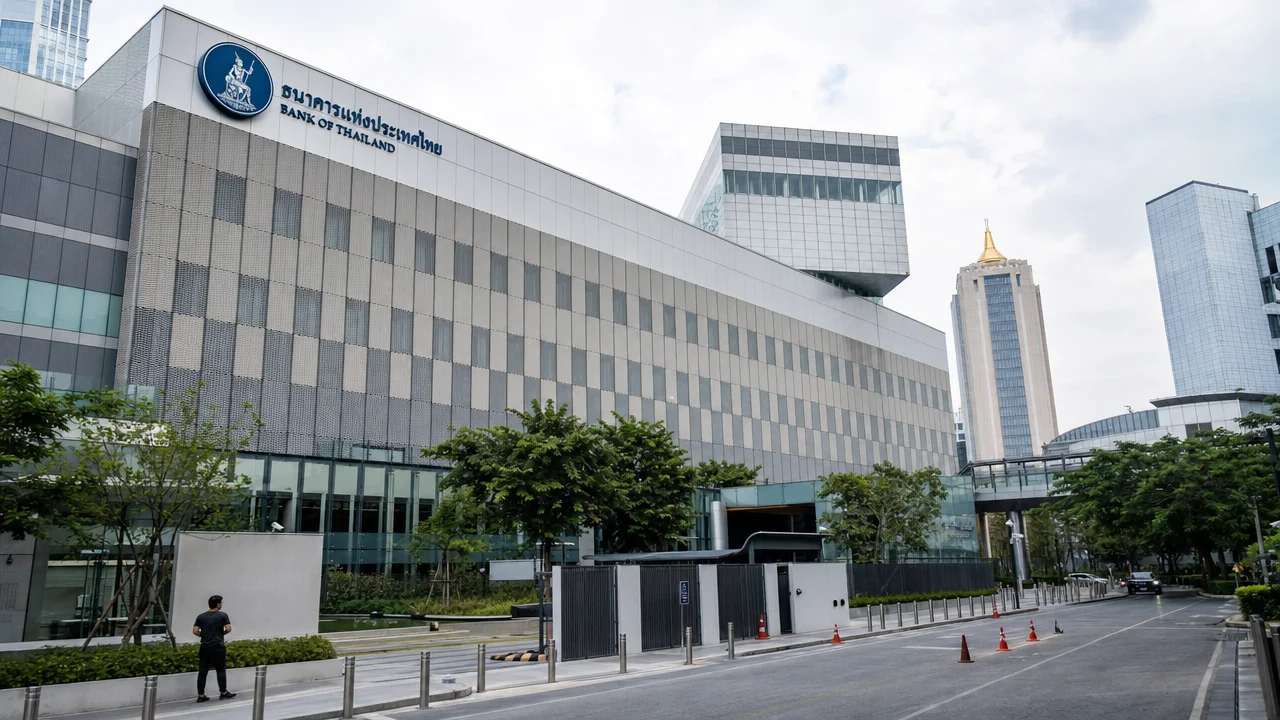
The Bank of Thailand has approved an extension of relaxed LTV (loan-to-value) requirements for housing loans until June 30, 2027. The decision was made against the backdrop of a prolonged downturn in the real estate market, high levels of unsold properties, and new geopolitical risks. Bank of Thailand Governor Sethaput Suthiwartnarueput stated that the measure is aimed at stimulating home purchases, supporting credit growth, and assisting the construction sector.
The extension is effective from July 1, 2026 to June 30, 2027. The current rules, which were due to end on June 30, 2026, maintain the LTV ceiling at 100% for two categories: collateral value below 10 million baht from the second loan agreement and collateral value from 10 million baht on the first agreement. The new extension preserves these parameters for another twelve months.
How the LTV coefficient works and why its relaxation is important
The LTV coefficient shows what portion of the property value the bank is willing to finance with a loan. Under strict LTV rules, a buyer needs a large down payment - typically 20-30% of the apartment price. When rules are relaxed, banks gain the ability to issue mortgages with a smaller initial payment, sometimes up to 100% of the property value under certain conditions.
Before the introduction of relaxed rules, the maximum LTV for second and subsequent housing loans was 80-90% depending on the property value. A buyer of a studio for 3 million baht had to contribute at least 300-600 thousand baht of their own funds. The relaxation eliminates this barrier for certain categories of borrowers.
The Bank of Thailand first introduced temporary LTV relaxation in 2020 in response to the pandemic. Since then, the measure has been extended several times. The current extension is the fourth in a row, indicating structural market problems rather than temporary difficulties.
Who gets access to high LTV: conditions and restrictions
The relaxed rules apply to Thai citizens and residents with official income. To obtain a loan with 100% LTV, the borrower must meet one of two scenarios:
First scenario: second housing loan
The collateral value of the property is below 10 million baht, and this is the borrower's second or subsequent housing loan. The bank assesses affordability: the ratio of monthly payment to income should not exceed 40-45% depending on the specific bank's policy.
Second scenario: first loan for an expensive property
Collateral value from 10 million baht, and this is the borrower's first housing loan. Banks require confirmed stable income, credit history without delays, sometimes a guarantor.
For properties valued above 10 million baht from the second loan, LTV remains at 90%. For properties below 10 million baht on the first loan - 90-95% depending on the bank.
Parallel extension: reduction of state fees to symbolic amounts
The Thai Cabinet of Ministers simultaneously extended the program to reduce registration fees when purchasing real estate until June 30, 2027. Standard fees are 2% of the assessed property value for registration of transfer of ownership and 1% for registration of a mortgage agreement. Under the program, both fees are reduced to 0.01%.
When purchasing a completed house worth 5 million baht, standard government fees would amount to up to 150,000 baht. Under the preferential program, this amount drops to 1,000 baht. The savings amount to 149,000 baht per transaction.
The program has strict framework:
| Condition | Limitation |
|---|---|
| Property value | No more than 7 million baht |
| Assessed value | No more than 7 million baht |
| Loan amount | No more than 7 million baht per agreement |
| Citizenship | Thai citizens only |
| Property types | Individual houses, duplexes, townhouses, commercial buildings, land with buildings, condominiums |
The benefit does not apply to transactions for the sale of ownership shares. Foreign buyers continue to pay fees at standard rates: 2% for transfer of ownership and 1% for mortgage registration.
According to the Ministry of Finance estimate, the program will annually support real estate transactions worth about 540 billion baht. Authorities expect that preferential fees will provide about 305 billion baht in additional investments in the real estate sector.
Interest rates and real cost of credit in 2026
The mortgage interest rate in Thailand in 2026 is 5.5-7% per annum depending on the bank and borrower profile. Bangkok Bank, Kasikornbank and Siam Commercial Bank offer rates from 6% for borrowers with good credit history and stable income.
Consider a resident buyer with a work visa looking at a 28 sqm studio in a completed project in Jomtien worth 2.8 million baht. With relaxed LTV, the bank can approve a loan for 100% of the value provided this is the borrower's second housing loan and the collateral value is below 10 million baht.
At a rate of 6.5% and a term of 20 years, the monthly payment will be about 20,800 baht. If the rate rises to 8%, the payment will increase to 23,500 baht - an increase of 13%. The buyer needs to consider additional costs: life and property insurance (about 0.3-0.5% of the loan amount annually), annual land and building tax (usually 2000-5000 baht for a studio), utilities and management fund contributions (1500-3000 baht per month).
High LTV risks: sensitivity to rate changes
High LTV increases sensitivity to interest rate changes. When the rate increases by 1-2 percentage points, the monthly payment can grow by 15-25%. The Bank of Thailand has maintained the base rate at 2.5% since October 2023, but commercial banks add a risk premium depending on the borrower's profile.
Buyers with limited savings gain access to the market, but high debt burden increases risks when rates rise or rental yields fall. If the ratio of monthly payment to income exceeds 30%, the borrower becomes vulnerable to job loss, income decline or unforeseen expenses.
Restrictions for foreign buyers: why non-residents face difficulties
Most Thai banks do not provide mortgages to non-residents, or issue them at higher rates and with a down payment from 30%. Bangkok Bank, Kasikornbank and Siam Commercial Bank have programs for foreigners, but requirements are strict: proof of income abroad, employment certificate, sometimes collateral deposit in the same bank.
Foreigners buying a condominium in Thailand must consider legislative restrictions. The foreign quota in any condominium cannot exceed 49% of the total project area. If the quota is exhausted, purchase is possible only through a Thai company or in the name of a resident spouse, which creates additional legal risks.
The LTV extension helps Thai buyers and residents with work visas, but for a tourist or remote worker without official status, access to mortgages remains limited. Cash purchase or using credit in the country of citizenship remains the main path for most Russian-speaking clients.
Jomtien market: excess supply and price pressure
High levels of unsold properties in Jomtien mean excess supply, especially in the segment of studios and one-bedroom apartments worth 2-4 million baht. Competition for tenants remains fierce: rental yield from a studio in Jomtien is 4-6% per annum before expenses, which is lower than in projects on the first line in central Pattaya (6-8%).
Developers gain a tool to accelerate sales, but competition remains tough. A buyer's market means pressure on prices, discounts and promotions. In Jomtien, where the stock of unsold condominiums remains high, especially in projects completed in 2023-2025, developers will use LTV benefits as part of comprehensive packages - free furniture, installments, discounts up to 20% from list price.
The buyer needs to check how many similar apartments are listed for sale in the same project and neighboring complexes. If supply exceeds 15-20 units within a 500-meter radius, resale will take months or require a discount.
Pre-purchase verification: three critical steps
Affordability
Calculate the monthly payment at the current rate plus 2 percentage points. If the amount exceeds 30% of your income, revise your budget or increase the down payment.
Property liquidity
Check the number of similar apartments for sale within a 500-meter radius. High concentration of supply reduces liquidity and pressures prices on resale.
Legal clarity
Ensure the project has all permits, the foreign quota is not exhausted, the developer has transferred common areas to the management fund. Request an extract from the Land Office and condominium charter.
What this means for a buyer in Pattaya
For a Russian-speaking buyer considering a condominium in Pattaya or Jomtien, the LTV extension until June 2027 creates a window of opportunity, but does not guarantee a profitable deal. The market remains a buyer's market: developers are ready to negotiate, discounts are real, competition for clients is high.
If you are a resident with official income and a work visa, the relaxed LTV allows you to buy an apartment with minimal down payment. A studio for 2.5-3 million baht can be purchased with a down payment from zero to 10%, depending on the specific bank's policy and property category. Run stress tests, check location liquidity, don't rely on developer promises of guaranteed yields.
For non-residents, access to mortgages remains limited. Most banks require a down payment from 30%, proof of income, a resident guarantor. Cash purchase or using credit in the country of citizenship is often simpler and faster. The reduction of state fees to 0.01% does not apply to foreigners - you continue to pay standard 2% for transfer of ownership and 1% for mortgage registration.
The LTV extension is a temporary support measure, not a signal of market recovery. The Bank of Thailand directly indicates that the sector needs help due to weak demand and high inventory. A buyer entering the market now should be prepared for long-term asset holding and possible price correction in the next 12-24 months.
Use the year until June 30, 2027 for thorough verification: compare projects, study the secondary market, get advice from an independent lawyer, test scenarios with different levels of rates and yields. Political support helps transaction execution, but does not replace a cautious approach and choosing the right location.
Pattaya and Jomtien remain attractive for long-term living and rental, but expecting rapid price growth in conditions of excess supply is unrealistic. Focus on projects with low vacancy rates, developed infrastructure, proximity to the beach and shopping centers. Check the developer's reputation, management quality, history of property transfer to owners.