

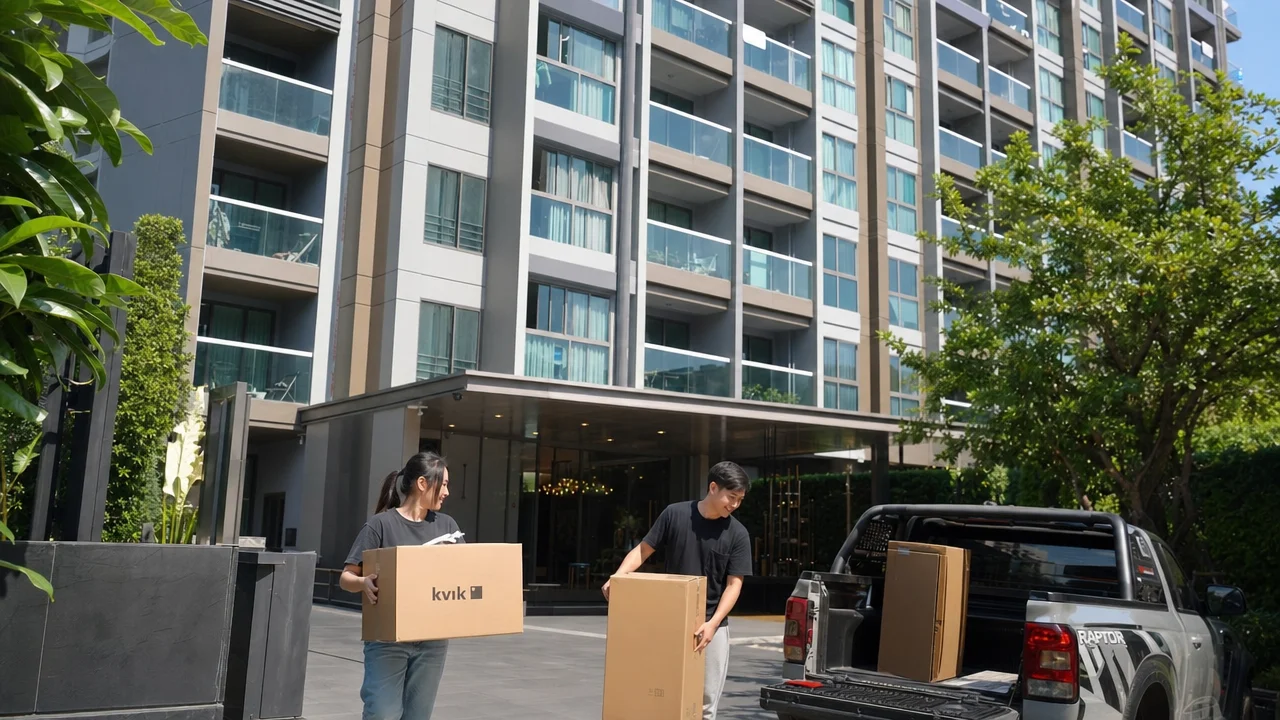

Economy Instead of Ownership: How Thailand's Housing Market is Changing
Over the past two years, Thailand's domestic property market has undergone a quiet but fundamental transformation. Demand for home purchases among Thais has dropped 27% year-on-year, with interest in detached houses falling by 40%. Simultaneously, demand for condominium rentals has grown by 2%, and the most popular price segment for long-term rentals has settled in the range of 10,000-30,000 baht per month. PropertyGuru recorded a 30.36% decline in purchase interest among young Thais aged 21-30. The reason isn't a lack of desire to live independently-young people want autonomy more than ever. The problem lies in access to credit and the real purchasing power of a generation earning 10,000-25,000 baht per month against average national expenses of 22,282 baht.
For foreign investors owning property in Pattaya, the birth of a "generation of renters" within Thailand signifies a structural shift in demand. Long-term rental is ceasing to be a niche product for expats and becoming a mass format for the local population. Central Pattaya and Jomtien fall within the direct influence zone of this trend thanks to the development of the Eastern Economic Corridor and the influx of specialists from Bangkok.
Why Thai Youth Cannot Buy Housing
The core of the problem lies in the gap between incomes and property costs. Townhouse prices rose by 4.88% in the second quarter of 2025 alone. A young professional earning 15,000 baht spends practically their entire salary on daily expenses. Saving for a mortgage down payment becomes impossible, especially considering the high level of consumer debt that already limits access to new credit.
Banks have tightened requirements for borrowers. The debt-to-income ratio is checked more strictly than three years ago. Economic uncertainty forces financial institutions to reduce risks, rejecting applications from young buyers without credit history or with unstable earnings. Generation Z faces a situation where their parents could afford a spacious house in a good district, while they can only access tiny apartments on the outskirts.
Renting becomes not a temporary solution, but a conscious strategy. Flexibility, absence of debt burden, and the ability to live closer to work outweigh the dream of ownership. For many Thais aged 25-35, renting is a way to maintain financial maneuverability in conditions of an unstable labor market.
How Agents are Restructuring Strategies for New Demand
Real estate agencies have already adapted to the shift. The Buy-to-Sell model, focused on quick resale, is giving way to Buy-to-Rent-purchasing housing for long-term rental. Investors receive stable income of 4-9% annually even during periods of low tourist activity. Focus is shifting from short-term bookings to contracts lasting 6-12 months.
Management companies are expanding their service packages. Moving assistance, regular cleaning, automated leasing through mobile applications-all this is becoming standard for attracting local tenants. The Rent-to-Own option, allowing tenants to purchase the property after several years, is gaining popularity among Thais who want ownership but cannot immediately take a mortgage.
The market is segmenting. Short-term rentals remain profitable in central Pattaya districts and by the sea, where high season brings strong occupancy. But competition among older stock is high. The long-term model is growing in residential districts where Thais seek housing for everyday life, not vacation.
Central Pattaya: Who Rents Long-Term
Central Pattaya has historically been perceived as a short-term rental zone for tourists. Today the picture is changing. Development of the Eastern Economic Corridor is attracting specialists working in logistics, manufacturing, and technology to the region. These people rent housing for 6-12 months, preferring proximity to transport hubs and business districts.
Thai tenants in Central Pattaya seek balance between cost and convenience. Studios of 25-30 m² in the range of 10,000-15,000 baht per month enjoy stable demand. Proximity to Sukhumvit Road, parking availability, access to 7-Eleven and local markets are important. Modern condominiums with gym and pool attract young professionals willing to pay 20-30% more for quality of life.
Competition in the center remains high. Old buildings without renovation lose to new projects with thoughtful infrastructure. Owners must invest in interior updates, air conditioner installation, furniture replacement. Without this, properties stand vacant even when priced below market.
Jomtien: Families and Long-Term Contracts
Jomtien attracts a different tenant segment. The district is considered quieter than central Pattaya while maintaining developed infrastructure. Thai families with children choose Jomtien for long-term residence thanks to proximity to schools, hospitals, and large shopping centers.
Demand concentrates on 35-50 m² apartments with one bedroom. The price range of 12,000-20,000 baht per month is considered optimal for families with average income. Presence of playground, security, motorcycle parking becomes a decisive factor in selection. Modern condominiums by the sea and projects with developed infrastructure show occupancy above 85% in the long-term segment.
Property owners in Jomtien less frequently face seasonal fluctuations. Annual contracts provide predictable income without the need for constant search for new guests. Thai tenants are more careful with property than tourists, reducing repair and equipment replacement costs.
Real Long-Term Rental Yield in 2026
Developers' marketing promises of 10-15% annual returns rarely correspond to reality. Strategic investors aim for 6-8% net profit after deducting all operating expenses, taxes, and depreciation. Eastern Economic Corridor development indeed pushes rental rates upward, but tenants' quality of life requirements grow simultaneously.
Taxes and fees eat into income. Annual condominium maintenance fees, rental income legalization, property tax payment-all this must be factored into calculations. Furniture and equipment depreciation amounts to 3-5% of property value annually. Air conditioners, water heaters, mattresses require replacement every 5-7 years.
Long-term rental reduces dependence on seasonal fluctuations. The short-term model brings high income during peak months but requires constant marketing, cleaning, guest communication. A long-term contract provides stability and frees the owner's time.
Who Benefits from the Growth of the Renter Generation
Owners of compact studios and one-bedroom apartments in residential districts gain an advantage. Thai tenants don't seek villas with pools-they need functional housing near work and infrastructure. Properties of 25-40 m² in the range of 10,000-18,000 baht per month show stable year-round occupancy.
Investors with budgets lower than required for Phuket find an attractive alternative in Pattaya. An entry threshold of 2-3 million baht allows building a diversified portfolio of several properties. Diversification reduces vacancy risks and provides opportunity to test different rental models.
Buyers focused on long-term rental avoid short-term market traps. High competition among old stock, dependence on tourist flows, need for constant management-all this is absent in the long-term model. An annual contract with a Thai family brings fewer hassles than dozens of Airbnb bookings.
What This Means for Pattaya Buyers
Growth of the renter generation within Thailand creates a new layer of demand previously unavailable to foreign owners. Thais rent housing not for a week, but for a year. They pay on time, take care of property, don't create noise. For investors, this means the possibility of building stable cash flow without dependence on tourist seasons.
When selecting property, local tenant preferences must be considered. Proximity to Sukhumvit Road, parking availability, security, modern complex infrastructure-all this is more important than sea views. Thais seek housing for living, not vacation. A studio in Jomtien's residential district with good renovation rents faster than a beachfront penthouse without parking.
The price range of 10,000-20,000 baht per month remains most liquid for long-term rental to Thais. Properties above 25,000 baht move into the expat and remote worker segment with DTV visas. Properties below 8,000 baht require quality compromises that reduce attractiveness for solvent tenants.
Investors should view Pattaya as a market with two parallel models. Short-term rental works in central districts and by the sea, brings high seasonal income but requires active management. The long-term model grows in residential districts, provides stability and frees time. Combining both strategies in a portfolio reduces risks and maximizes year-round property occupancy.
Eastern Economic Corridor development continues attracting specialists from Bangkok and other regions to Pattaya. These people rent housing long-term, forming sustainable demand independent of tourist flow fluctuations. For property owners, this is an opportunity to lock in income a year ahead and avoid low-season vacancies.
Conclusions: The New Reality of the Rental Market
Thailand's generation of renters is changing housing demand structure. Young Thais choose flexibility over ownership, creating a mass long-term rental market that was previously niche. For foreign investors in Pattaya, this means access to a new tenant segment with predictable income and low operational risks.
Central Pattaya and Jomtien are in the direct influence zone of this trend. Proximity to the Eastern Economic Corridor, developed infrastructure, affordable prices make these districts attractive for Thai specialists seeking housing for a year or longer. Owners of compact apartments in the 10,000-20,000 baht per month price range receive stable occupancy without needing to compete in the overheated short-term rental market.
Pattaya's property market is ceasing to be exclusively tourist-oriented. Long-term rental is becoming a full-fledged investment direction requiring a different approach to property selection, pricing, and management. Investors who understand local tenant needs gain competitive advantage in a market where demand grows faster than supply.